
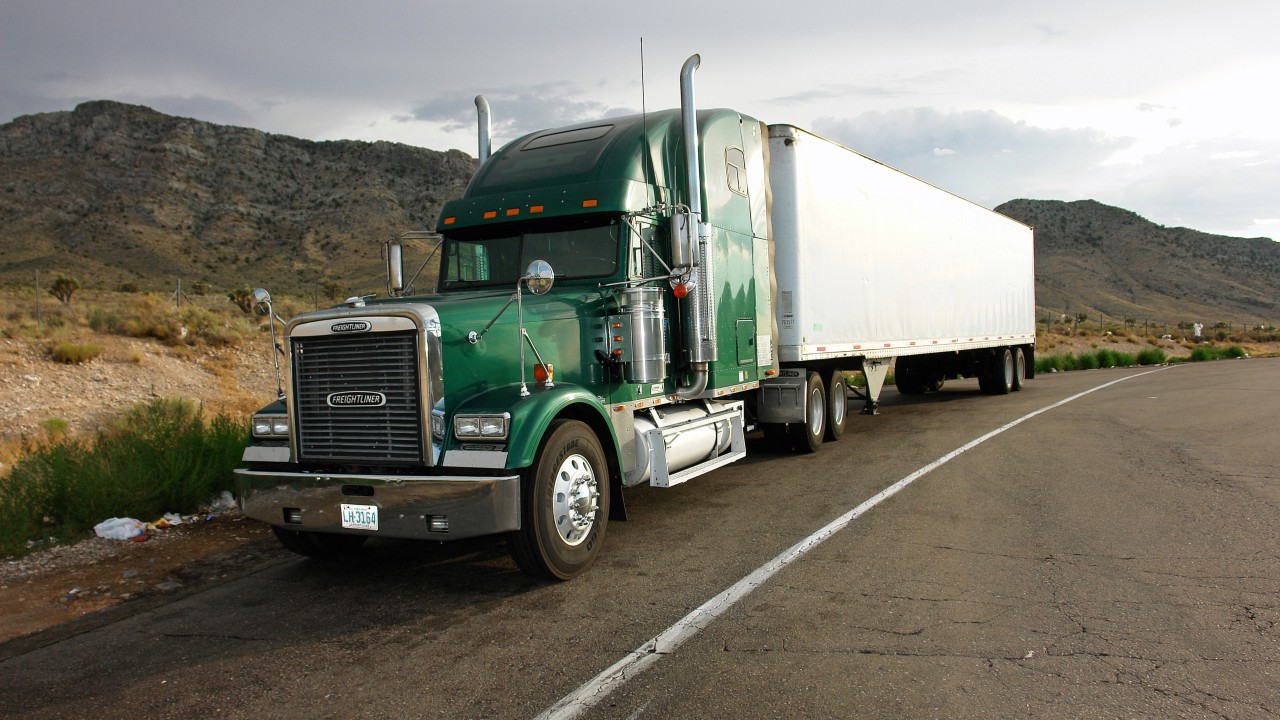
The Freedom Haulers initiative is designed to help veterans move into civilian trucking careers.
For motor carriers, that can mean more applicants with experience operating heavy vehicles and following structured safety procedures.
But hiring a veteran through a military-to-CDL pathway does not automatically change the carrier’s USDOT registration.
Driver licensing, driver qualification, MCS-150 information, operating authority, and company records are separate compliance matters.
Understanding those distinctions can help a growing fleet avoid administrative mistakes.
What Is Freedom Haulers?
Freedom Haulers is a federal initiative introduced in July 2026 to connect veterans and transitioning military personnel with commercial trucking careers.
It promotes military CDL testing waivers, veterans’ training benefits, workforce programs, and trucking employment opportunities.
The initiative builds on existing FMCSA programs.
It does not create a special USDOT number, separate operating authority, or automatic registration benefit for employers hiring veterans.
How Can Veterans Obtain a CDL Through Military Experience?
Qualified military drivers may use FMCSA’s Military Skills Test Waiver to avoid the standard civilian CDL driving skills test.
Certain military occupations may also qualify for the Even Exchange knowledge-test waiver in participating states.
The two programs have different requirements.
A veteran must apply through the appropriate state driver licensing agency and receive a valid civilian CDL.
What Is the Current Two-Year Waiver?
FMCSA issued a temporary waiver effective July 30 through October 29, 2026, extending the qualifying military-employment window from 12 to 24 months for eligible military CDL applicants.
The waiver also addresses certain applications by active-duty personnel in the state where they are stationed rather than domiciled.
This is temporary relief, not a permanent amendment.
Employers should not assume that the expanded window will remain available after October 29 without a new FMCSA action.
Which States Offer Even Exchange?
FMCSA’s October 15, 2026 list identifies 29 participating states and 11 additional states committed to implementation.
The Military Skills Test Waiver is available nationwide.
Even Exchange depends on state implementation.
A carrier recruiting across multiple states should encourage applicants to verify the applicable licensing procedure with their state agency.
Does a Waived CDL Test Mean the Driver Is Ready to Work?
Not automatically.
A testing waiver recognizes qualifying military experience for a specific licensing purpose.
The employer still needs to verify that the applicant holds the correct CDL and endorsements.
It must also complete applicable driver qualification, drug and alcohol testing, and Clearinghouse procedures.
A military waiver does not replace employer onboarding.
Does Hiring a Veteran Require an MCS-150 Update?
Not automatically.
The MCS-150 reports company information, including driver and power-unit data.
Hiring one driver does not create a separate veteran-specific filing requirement.
However, carriers should review whether operational changes affect information they are required to report.
The reported driver count should reflect the applicable FMCSA definitions and reporting instructions.
Which MCS-150 Fields Might Change as a Fleet Grows?
A growing company may need to review its number of drivers, power units, annual mileage, operating classification, and contact information.
Not every change is caused by veteran recruitment.
A carrier should report accurate operational information rather than adjusting fields simply because a hiring campaign began.
Keep internal records supporting the reported figures.
How Does Motus Affect Company Registration?
FMCSA launched Motus, its modernized USDOT Registration System, on May 19, 2026.
Carriers should use current official instructions for applicable registration transactions.
Company officials should maintain appropriate account access and authorization.
A new driver does not ordinarily need access to the company’s registration account simply because they were hired.
Is the MCS-150 Biennial Update Still Required?
Yes.
FMCSA temporarily suspended enforcement of biennial updates and related USDOT-number inactivation for deadlines due on or after June 1, 2026.
The underlying requirement remains.
Companies should continue maintaining accurate records and monitoring FMCSA guidance.
The temporary enforcement relief is unrelated to Freedom Haulers.
What Should Employers Check in SAFER?
The SAFER Company Snapshot can help a carrier review its public company information.
Check the legal business name, USDOT number, physical address, operating classification, and reported fleet information.
Confirm whether a requested change has been processed.
SAFER is a company-record resource, not a substitute for the driver’s individual CDL and qualification checks.
Does Hiring Veterans Change Operating Authority?
No.
Hiring a veteran does not automatically grant or expand federal operating authority.
The company must maintain the authority required for its actual transportation activities.
Changes in business operations may require separate regulatory transactions.
An MCS-150 update does not automatically restore revoked authority.
What About Driver Qualification Files?
A carrier must maintain applicable driver qualification records for its drivers.
Military driving experience may be relevant, but the employer still needs the required civilian documentation.
Depending on the position, this includes licensing verification, driving-record inquiries, qualification reviews, and medical documentation.
A driver’s military waiver should not be treated as a replacement for the employer’s qualification process.
How Does the Clearinghouse Apply?
Covered employers must complete the required pre-employment Clearinghouse query before allowing a driver to perform safety-sensitive functions.
They must also satisfy applicable drug and alcohol testing requirements.
Veteran status does not create a general exemption.
The employer should confirm that the driver is eligible to perform the covered work.
Does Hiring Veterans Change UCR Fees?
Not by itself.
UCR fee brackets for covered carriers generally depend on qualifying commercial motor vehicles, not the number of drivers employed.
A company can hire additional drivers without changing its UCR bracket.
Adding qualifying vehicles may affect the applicable calculation.
What If the Company Expands Its Fleet?
Review the reported power units and other relevant USDOT information.
Determine whether the change affects UCR, IRP, IFTA, insurance, or operating authority.
These programs use different rules.
Do not assume that one registration update completes every required transaction.
How Can Carriers Build a Veteran Hiring Checklist?
Start by verifying the issued CDL, class, and endorsements.
Review the military experience documentation relevant to the position.
Complete the applicable driver qualification file.
Address medical qualification and drug and alcohol requirements.
Conduct the necessary Clearinghouse query.
Provide company-specific training and orientation.
Then review whether broader fleet changes require updates to company registration information.
What Should Veterans Without Military Truck Experience Do?
They may pursue ordinary civilian CDL training.
The Department of Veterans Affairs announced May 6, 2026, that it streamlined approval of certain CDL training programs for VA education benefits.
GI Bill, VR&E, SkillBridge, and approved on-the-job training may be relevant depending on eligibility.
None guarantees employment or eliminates a carrier’s hiring obligations.
Frequently Asked Questions
Does Freedom Haulers give a carrier a new USDOT number?
No.
Does hiring a veteran automatically trigger an MCS-150 filing?
No. Review whether reportable company information has changed.
Does a military CDL waiver replace a driver qualification file?
No.
Is Even Exchange available in every state?
No. State participation varies.
Does Motus issue CDLs?
No. State driver licensing agencies issue CDLs.
Do more drivers automatically increase UCR fees?
No. UCR carrier brackets generally concern qualifying vehicles.
Keep Hiring and Registration Responsibilities Separate
Freedom Haulers may help carriers recruit veterans with valuable military experience.
But driver licensing, employer qualification, and company registration remain distinct responsibilities.
MOTUS – MCS-150 Prepayment provides private assistance with USDOT records, MCS-150 updates, and related registration administration.
Visit MOTUS – MCS-150 Prepayment or call (800) 924-1130 for assistance reviewing your USDOT and MCS-150 information as your operation grows.
MOTUS – MCS-150 Prepayment is a private third-party service and is not affiliated with FMCSA, USDOT, or any government agency. It does not issue CDLs, administer military waivers, or guarantee driver eligibility. Ordinary MCS-150 biennial updates can be filed directly without a government processing fee. Private assistance is optional.



