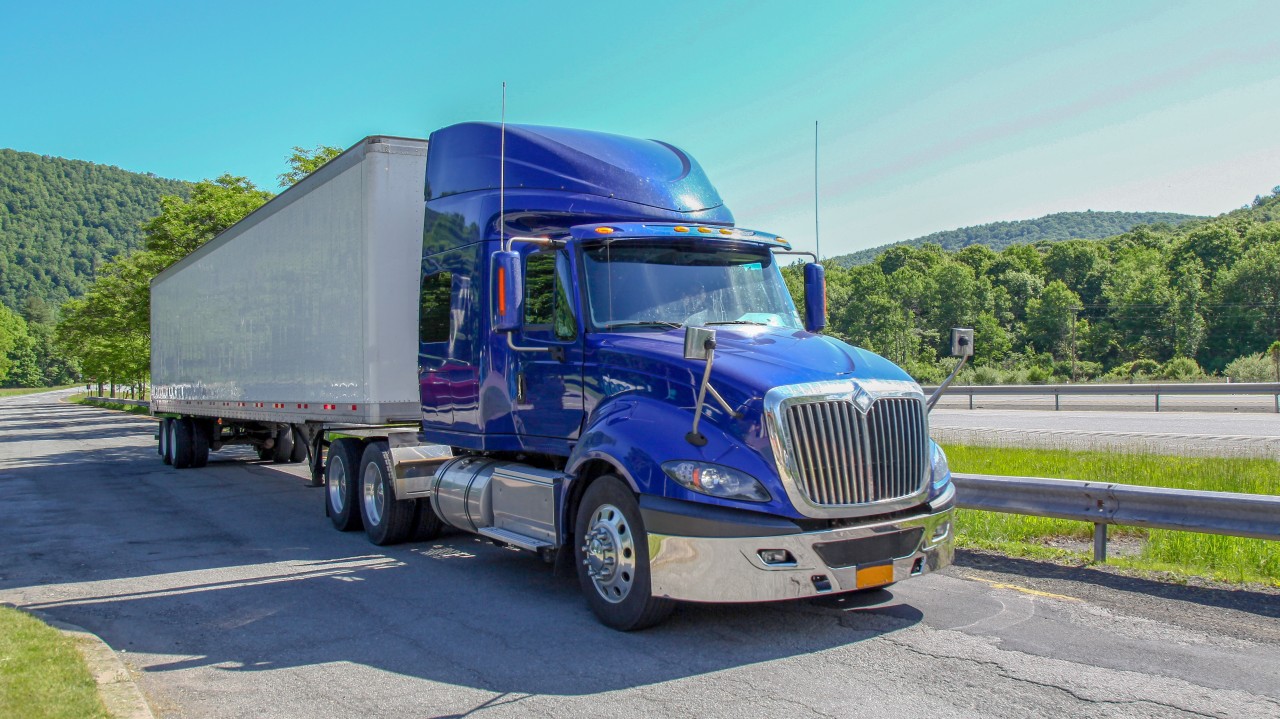
Motor carriers rely on several federal systems to maintain business records and meet safety requirements.
The FMCSA Drug and Alcohol Clearinghouse is one of the most important systems for employers of covered CDL drivers.
However, it serves a different purpose from USDOT registration, MCS-150 updates, the Motus registration system, and SAFER public records.
A trucking company can have accurate federal registration information while still missing required Clearinghouse queries. It can also have a compliant drug testing program while its reported company information needs updating.
Understanding the differences helps carriers organize responsibilities and avoid administrative gaps.
What Is the Clearinghouse?
The Clearinghouse is a federal database used to report specified DOT drug and alcohol program violations and check driver eligibility.
Covered employers use it to conduct pre-employment and annual queries.
The system also supports violation reporting and return-to-duty documentation.
It is not a general business registration system.
What Is USDOT Registration?
A USDOT number identifies a regulated transportation business for federal registration and safety oversight.
The company record includes specified identifying and operating information.
Whether a business needs a USDOT number depends on its operations and applicable federal or state requirements.
Obtaining a USDOT number does not automatically register an employer in the Clearinghouse.
What Is the MCS-150?
The MCS-150 Motor Carrier Identification Report concerns information associated with a company’s USDOT registration.
Reported details may include the legal business name, DBA, address, operating classification, vehicle counts, driver counts, and mileage.
An MCS-150 does not report individual driver drug test results.
It does not substitute for Clearinghouse queries.
Which Employers Must Use the Clearinghouse?
Employers subject to FMCSA’s drug and alcohol testing rules generally must use the Clearinghouse for covered drivers.
The requirements depend on the vehicles and safety-sensitive work involved.
A company should not assume that every employee with a CDL must be queried regardless of their duties.
Likewise, a private fleet may be covered even when it does not transport freight for hire.
Pre-Employment Queries Are Separate From Registration
Covered employers must complete a full Clearinghouse query before allowing a prospective driver to perform covered safety-sensitive functions.
A full query requires specific electronic driver consent.
The employer must review the result and determine whether the driver may perform the work.
An active USDOT number or favorable SAFER record does not replace this investigation.
Annual Queries Require a Schedule
FMCSA requires annual queries on a rolling 12-month basis, generally measured from the previous qualifying query.
A company that hires drivers throughout the year should track individual query dates.
The employer may conduct a limited query when appropriate and with the required general consent.
If the result indicates that information exists, the company must complete the appropriate full-query follow-up.
How Does Driver Consent Work?
For a limited query, general consent is obtained outside the Clearinghouse.
For a full query, the driver provides specific electronic consent within the system.
These methods are not interchangeable.
A driver may need to establish Clearinghouse account access to respond to a full-query request.
The employer remains responsible for completing the required investigation.
Can a C/TPA Conduct Queries?
Yes.
An authorized consortium/third-party administrator can perform designated Clearinghouse functions.
FMCSA confirms that the employer remains ultimately responsible for compliance even when a third party performs the work.
The company should verify its service agreements, designations, query records, and reporting responsibilities.
A provider handling MCS-150 filings is not automatically designated to manage Clearinghouse functions.
What Happens When a Driver Has Prohibited Status?
A driver with prohibited Clearinghouse status cannot perform covered safety-sensitive functions.
The employer must follow the applicable restrictions and return-to-duty requirements.
Since November 18, 2024, Clearinghouse II has required State Driver Licensing Agencies to remove commercial driving privileges when a driver has prohibited status.
This is a driver eligibility issue, not an automatic change to the company’s USDOT registration status.
Does a Clearinghouse Violation Require an MCS-150 Update?
Not automatically.
An individual drug or alcohol program violation is not itself an MCS-150 filing event.
However, changes to reportable company information, including relevant driver counts, may require separate registration review.
Carriers should evaluate each obligation according to its own rules.
What Does SAFER Show?
FMCSA’s SAFER Company Snapshot provides selected public information about registered transportation businesses.
It may include identifying information, reported fleet size, operating status, inspections, crash data, and available safety ratings.
SAFER does not replace a Clearinghouse query.
A company should not infer that a driver is eligible simply because the employer’s public profile appears satisfactory.
What Is Motus?
FMCSA launched Motus, its modernized USDOT Registration System, on May 19, 2026.
Motus supports company registration and related administrative actions.
It is separate from the Drug and Alcohol Clearinghouse.
An employer may need authorized access to both systems.
Does FMCSA’s 2026 Biennial Update Relief Affect Clearinghouse Queries?
No.
FMCSA temporarily suspended enforcement of certain biennial USDOT updates and related inactivation for updates due on or after June 1, 2026, during the Motus transition.
This relief does not suspend pre-employment Clearinghouse queries, annual queries, drug testing, or violation reporting.
Employers should maintain separate schedules for registration and driver compliance.
Organize Company and Driver Records Separately
A practical administrative structure includes:
- USDOT and MCS-150 registration records
- Operating authority and insurance
- Motus account administration
- SAFER profile reviews
- Driver Qualification Files
- Clearinghouse queries and consent records
- DOT drug and alcohol testing
- C/TPA agreements and designations
- Annual UCR registration
Each area should have an assigned owner and documented review schedule.
Frequently Asked Questions
Does obtaining a USDOT number create a Clearinghouse account?
No. The systems are separate.
Does an MCS-150 update complete annual Clearinghouse queries?
No.
Is a driver’s prohibited status the same as an inactive USDOT number?
No. Driver eligibility and company registration are separate matters.
Can a registration filing company perform Clearinghouse queries?
Only if appropriately authorized and qualified to perform the applicable functions.
Does Motus replace the Clearinghouse?
No. Motus manages USDOT registration, while the Clearinghouse manages specified drug and alcohol compliance information.
Do employers still need annual queries during the Motus transition?
Yes. Temporary biennial update enforcement relief does not eliminate Clearinghouse obligations.
Maintain Accurate USDOT Records Without Overlooking Driver Compliance
USDOT registration and Clearinghouse compliance require separate procedures, accounts, and records.
MOTUS – MCS-150 Prepayment provides private assistance with USDOT registration information, MCS-150 filings, and related administrative requirements.
Visit MOTUS – MCS-150 Prepayment or call (800) 924-1130 for assistance reviewing your USDOT and MCS-150 responsibilities.
MOTUS – MCS-150 Prepayment is a private third-party service and is not affiliated with FMCSA or the U.S. Department of Transportation. Eligible businesses may complete applicable federal registration actions directly without paying a third-party service fee.